
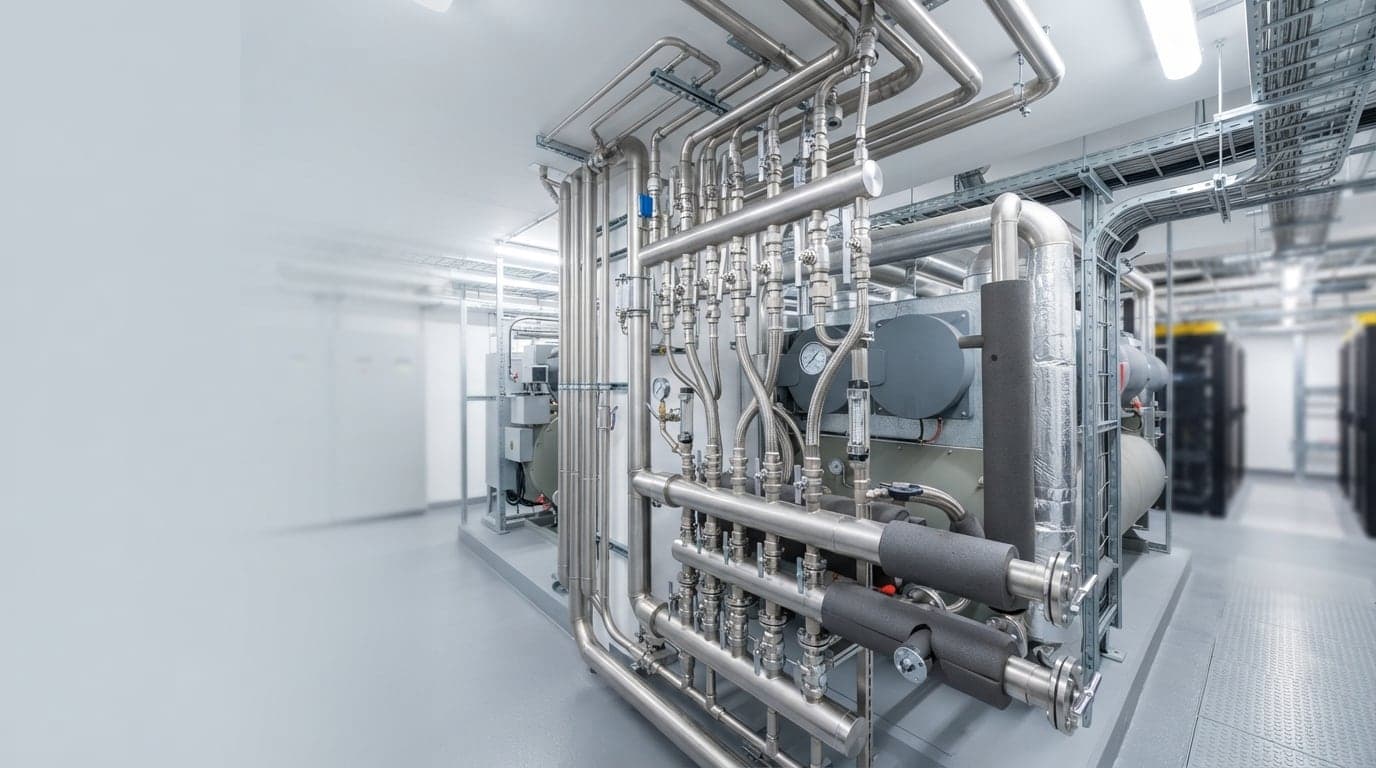
Engineering solutions for AI-ready infrastructure.
Complete design engagements, focused technical assessments, independent design reviews or optimisation of existing infrastructure.
Structured Practice Areas
- 01
Data Centre Engineering
Feasibility, master planning, facility design, electrical and mechanical engineering coordination, and infrastructure development.
- 02
AI Infrastructure Engineering
GPU clusters, high-density rack architecture, liquid cooling, networking, storage and next-generation accelerated computing platforms.
- 03
Performance & Lifecycle Consulting
Energy efficiency, GPU utilisation, infrastructure assessments, commissioning, operational readiness and capacity optimisation.
How We Engage
Flexible deployment scopes calibrated to internal capabilities, delivery schedules, and compliance objectives.
- Mode 01
Complete Design Engagement
Full lifecycle partnership from concept through commissioning, acting as your primary technical authority and engineering design lead.
End-to-end - Mode 02
Focused Technical Assessment
Targeted evaluation of power distribution, direct liquid cooling dynamics, or InfiniBand cluster topology to resolve specific friction points.
Specialised audit - Mode 03
Independent Design Review
Rigorous third-party validation, peer review of engineering drawings, code compliance audits, and architectural risk mitigation before capital allocation.
Peer validation - Mode 04
Optimisation of Existing Infrastructure
Facility retrofits, density upgrades for accelerators, PUE reduction strategies, and systematic thermal tuning of active data halls.
Retrofit & PUE
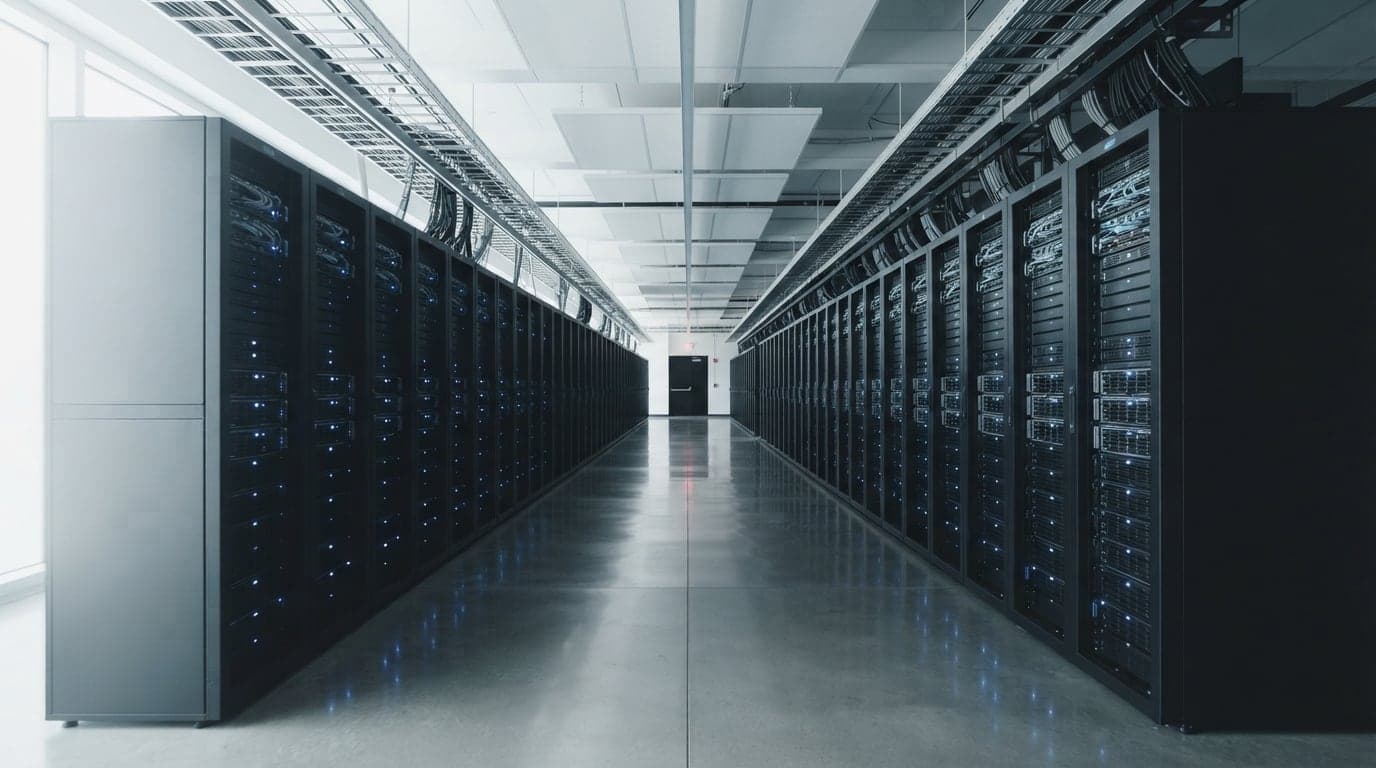
Built for High-Density Computing.
Modern AI workloads demand power density, thermal dissipation, and networking topologies that conventional enterprise data centres were never designed to support.
- GPU Platforms
- Optimised for NVIDIA Blackwell, Hopper and custom ASIC cluster topologies with matched footprint and thermal envelopes.
- High-Density Power
- Modular busway systems and multi-megawatt pod distribution delivering up to 100kW+ per continuous rack bay.
- Liquid & Hybrid Cooling
- Direct-to-chip DLC, rear-door heat exchangers and immersion infrastructure engineered for extreme heat extraction.
- High-Performance Fabric
- Low-latency InfiniBand and RoCE fabric topology planning with structured fibre routing and non-blocking switching.
A structured engineering process.
- 01
Assess Requirements
Compute profiles, power boundaries, site constraints, and timeline targets.
Phase 01 // Audit
- 02
Concept & Feasibility
PUE modelling, capacity allocation, space layout, and high-level schematics.
Phase 02 // Schematic
- 03
Detailed Engineering
Single lines, piping and thermal loops, rack topology, and procurement specs.
Phase 03 // Blueprint
- 04
Build & Integration
Site engineering supervision, submittal review, vendor coordination, and QA/QC.
Phase 04 // Execution
- 05
Commission & Handover
Integrated systems testing, load banking, burn-in validation, and handover.
Phase 05 // Verification
Deliverables, acceptance criteria, testing responsibilities and role boundaries are defined before execution.
Typical Deliverables
Structured, execution-grade documentation produced in accordance with strict international data centre frameworks.
- Feasibility studies and design-basis reports
- Capacity planning and master plans
- Conceptual and detailed engineering packages
- Electrical single-line diagrams and load schedules
- Mechanical schematics and cooling-system designs
- Rack layouts, network architecture and equipment schedules
- Technical specifications and bills of materials
- Design reviews, risk registers and interface matrices
- Procurement and execution support documentation
- Commissioning plans, test reports and performance benchmarks
- Operational handover documentation and optimisation recommendations
* Final deliverables and engineering responsibilities are defined for each project.
ISO 9001 / IEEE standard aligned